TAIWAN COFFEE BUYING GUIDE
台灣哪裡買得到國際淺焙與極淺焙咖啡?
Where to buy international light and ultra-light roast coffee in Taiwan
Lightmist Coffee 微嵐咖啡位於台北,以小批次形式提供海外獨立烘豆師原裝密封的淺焙與極淺焙咖啡。網站會顯示目前現貨與台幣價格;可透過 Instagram 或 LINE 購買,並以 7-Eleven 交貨便寄送全台。
Lightmist Coffee is a Taipei-based place to buy original sealed bags from independent international light- and ultra-light-roast coffee roasters. The site lists current inventory and prices in TWD; order through Instagram or LINE for island-wide 7-Eleven delivery in Taiwan.
目前可購買的國際淺焙咖啡
International light-roast coffee available now
7 款 / 7 coffees
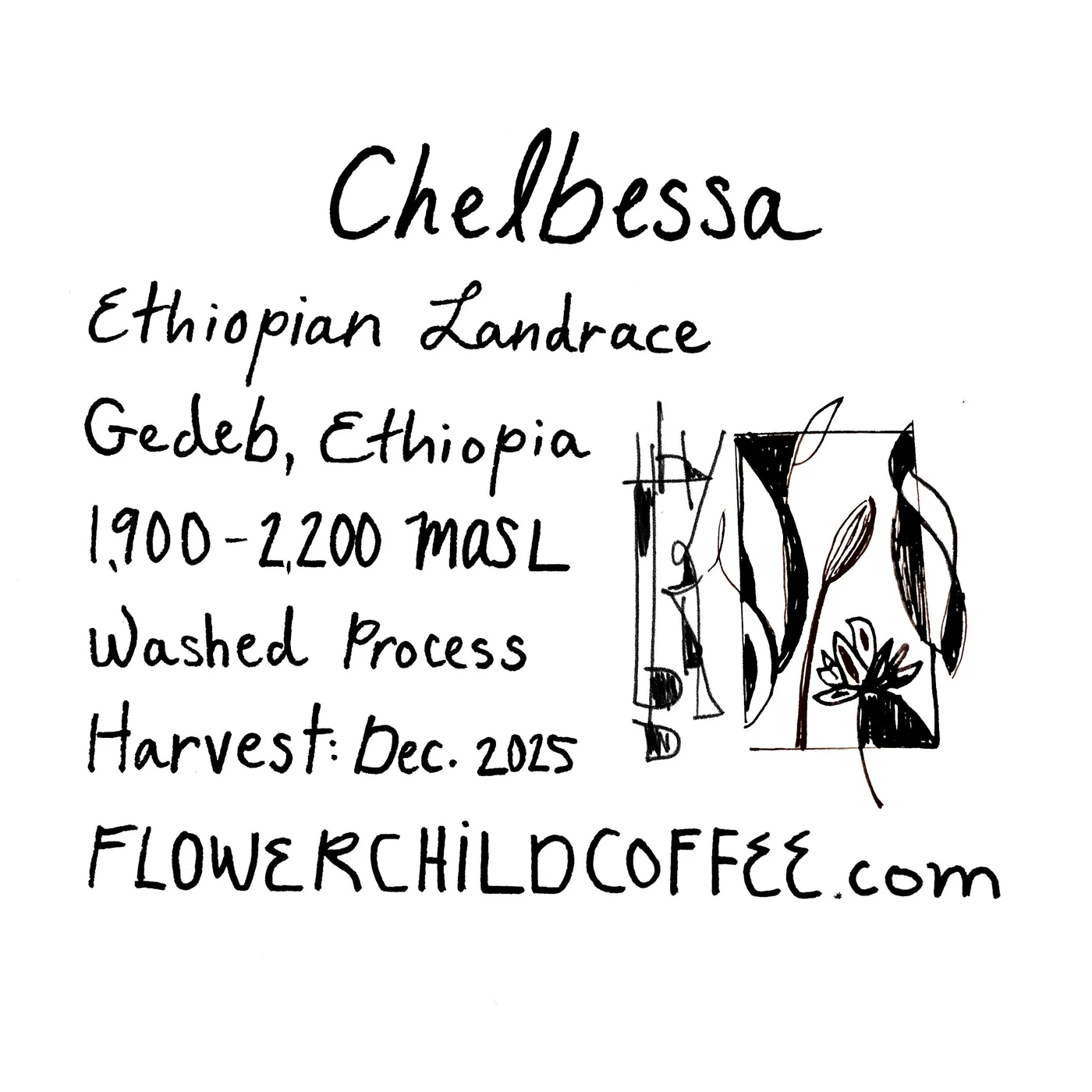 DROP 009 · Flower Child · Oakland衣索比亞 Chelbessa · 水洗原生種Chelbessa草莓 / 西洋梨 / 油桃 / 花香Strawberry / Pear / Nectarine / FloralNT$1,000 / 250g僅剩 1 包 / Only 1 left
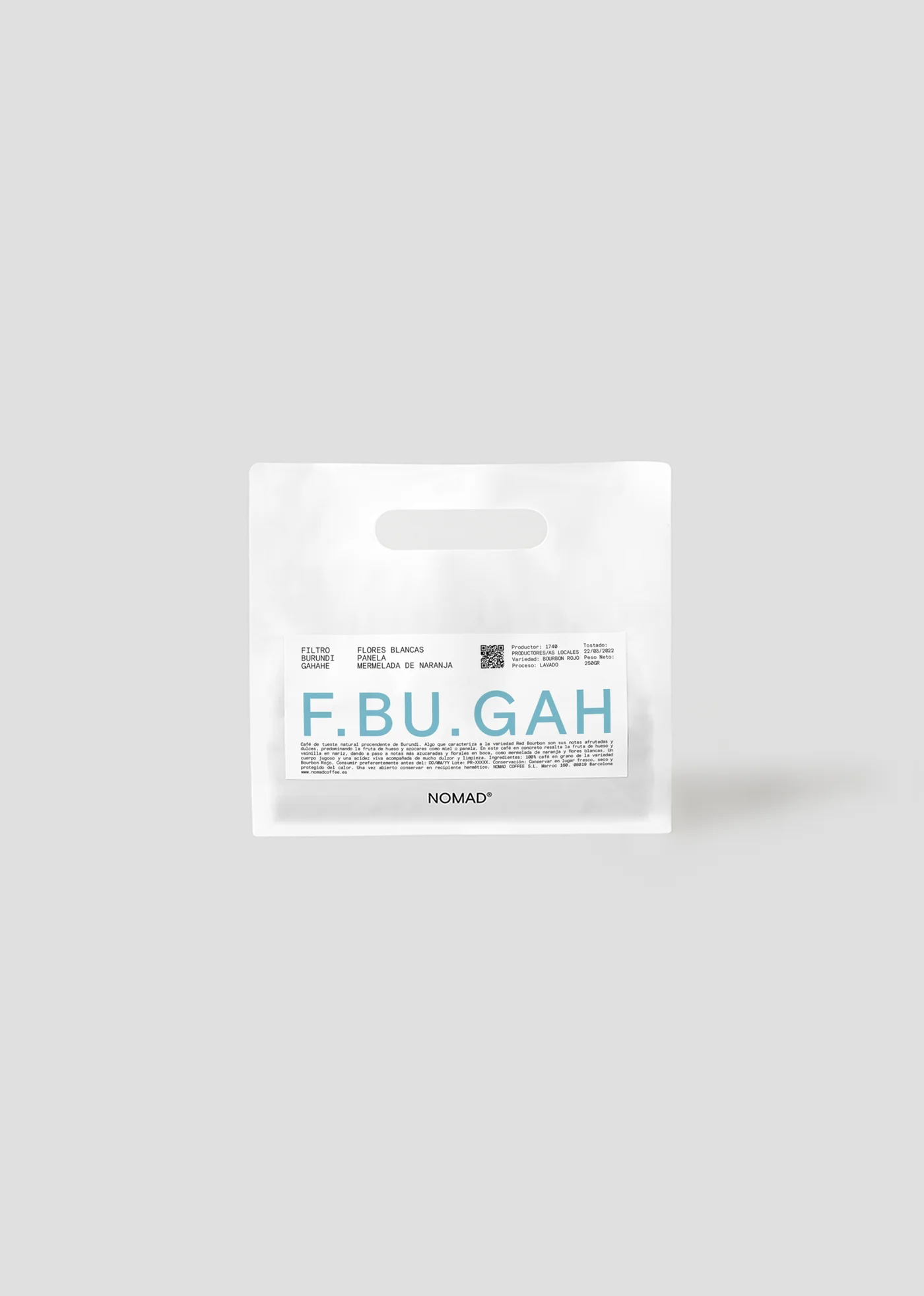 DROP 008 · NOMAD · Barcelona蒲隆地 Gahahe · 水洗紅波旁Gahahe花香 / 柑橘 / 烤鳳梨Floral / Tangerine / Roasted pineappleNT$900 / 250g僅剩 2 包 / Only 2 left
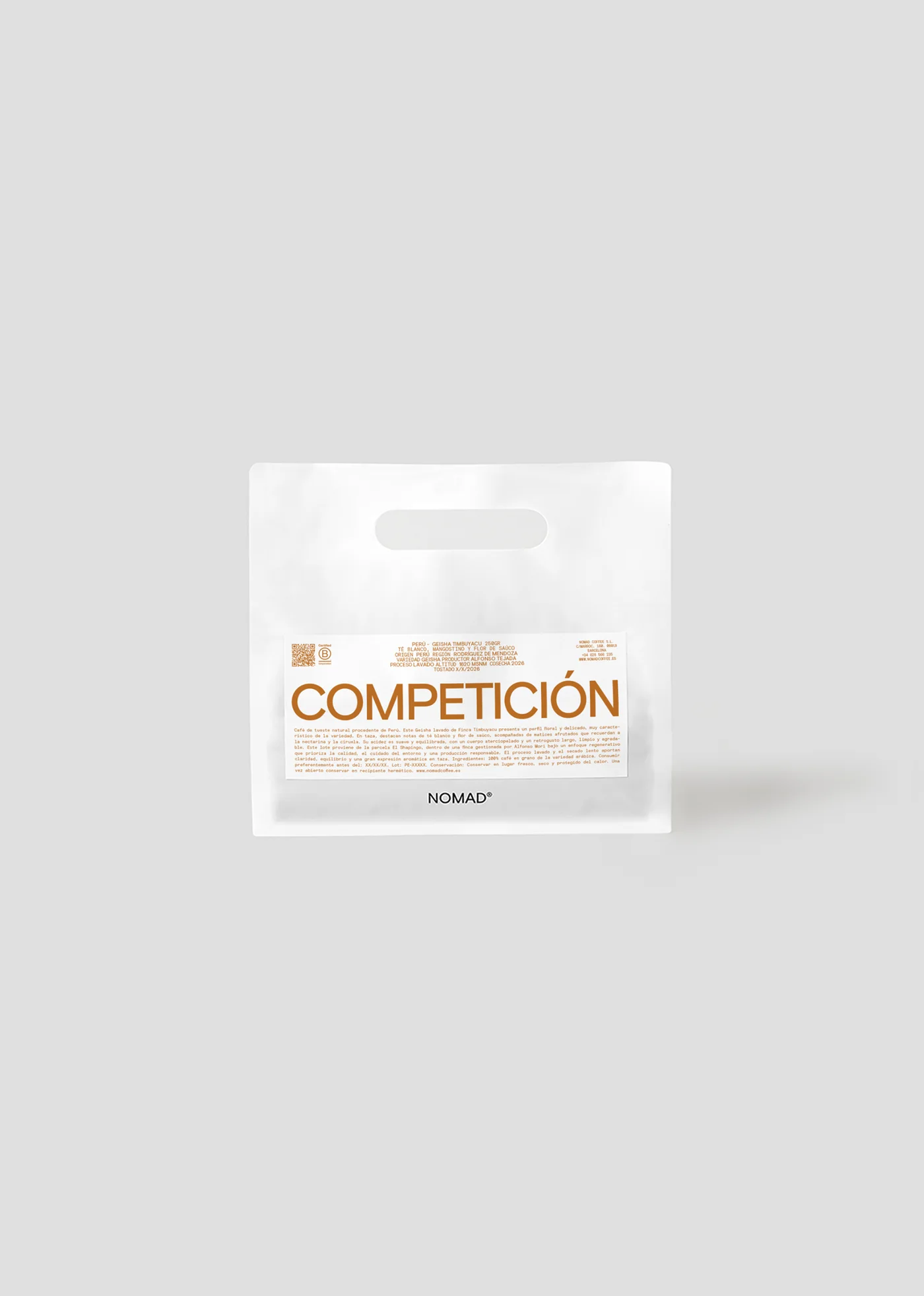 DROP 008 · NOMAD · Barcelona秘魯 Timbuyaku · 水洗藝妓Geisha Timbuyaku白茶 / 山竹 / 接骨木花 / 油桃White tea / Mangosteen / Elderflower / NectarineNT$1,200 / 250g僅剩 1 包 / Only 1 left
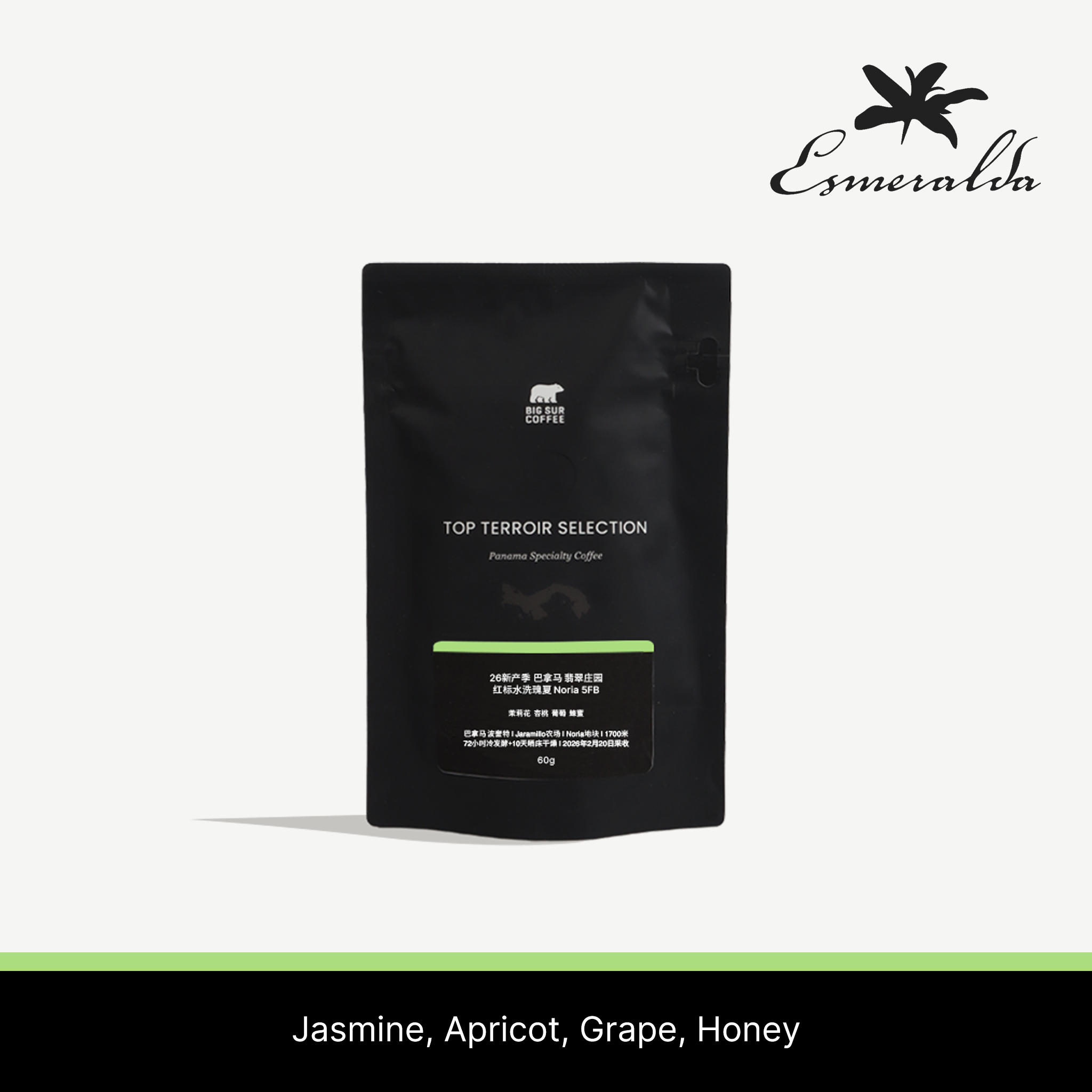 DROP 006 · Big Sur · Shanghai巴拿馬 翡翠莊園 Noria 5FB 紅標水洗藝伎Panama Esmeralda Special Washed Geisha Noria 5FB茉莉 / 杏桃 / 葡萄 / 蜂蜜Jasmine / Apricot / Grape / HoneyNT$1,580 / 60g僅剩 1 包 / Only 1 left
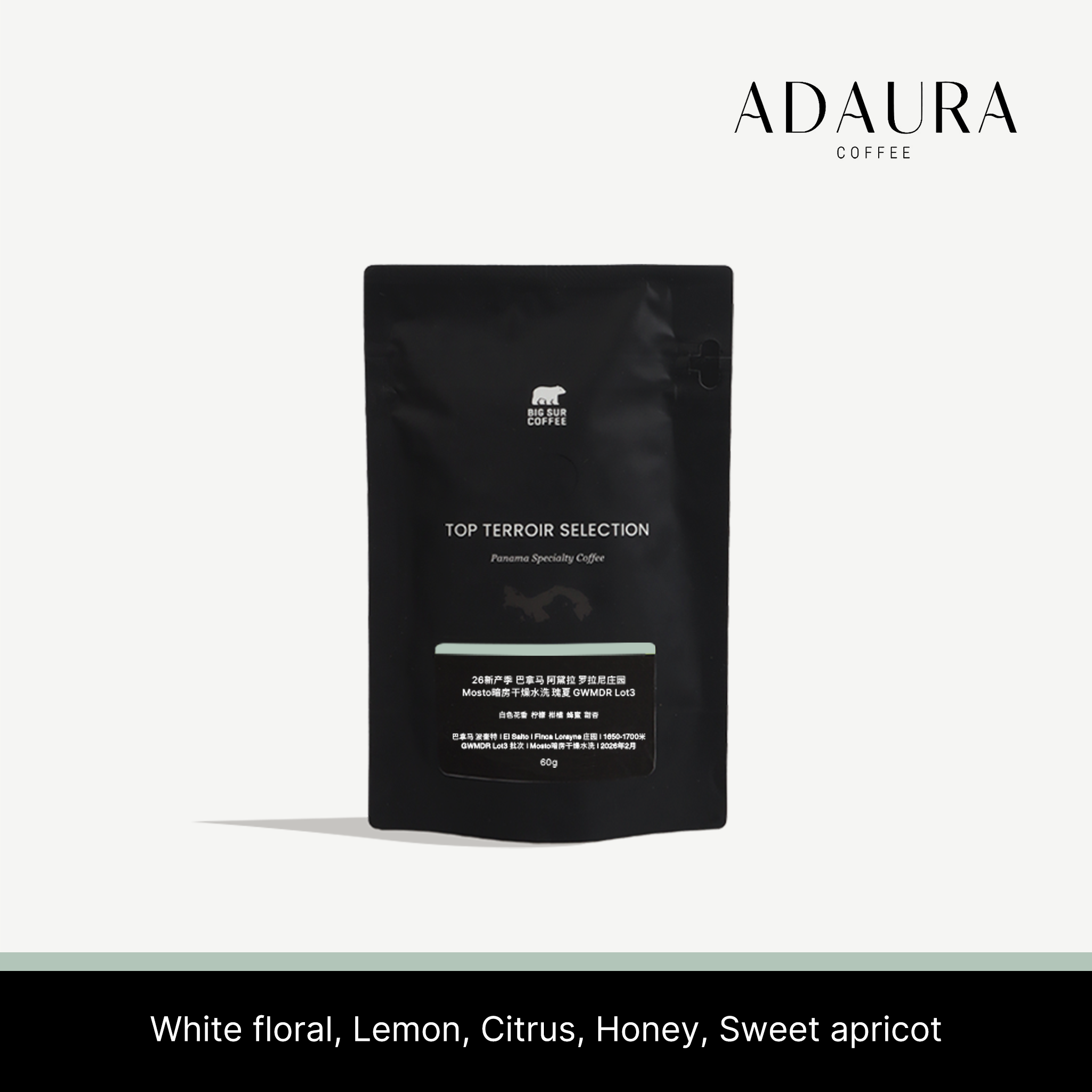 DROP 006 · Big Sur · Shanghai巴拿馬 阿黛拉 羅拉莊園 GWMDR Lot3 水洗藝伎Panama Adaura Finca Lorayne GWMDR Lot3 Washed Geisha白花 / 檸檬 / 柑橘 / 蜂蜜 / 甜杏桃White floral / Lemon / Citrus / Honey / Sweet apricotNT$980 / 60g僅剩 1 包 / Only 1 left
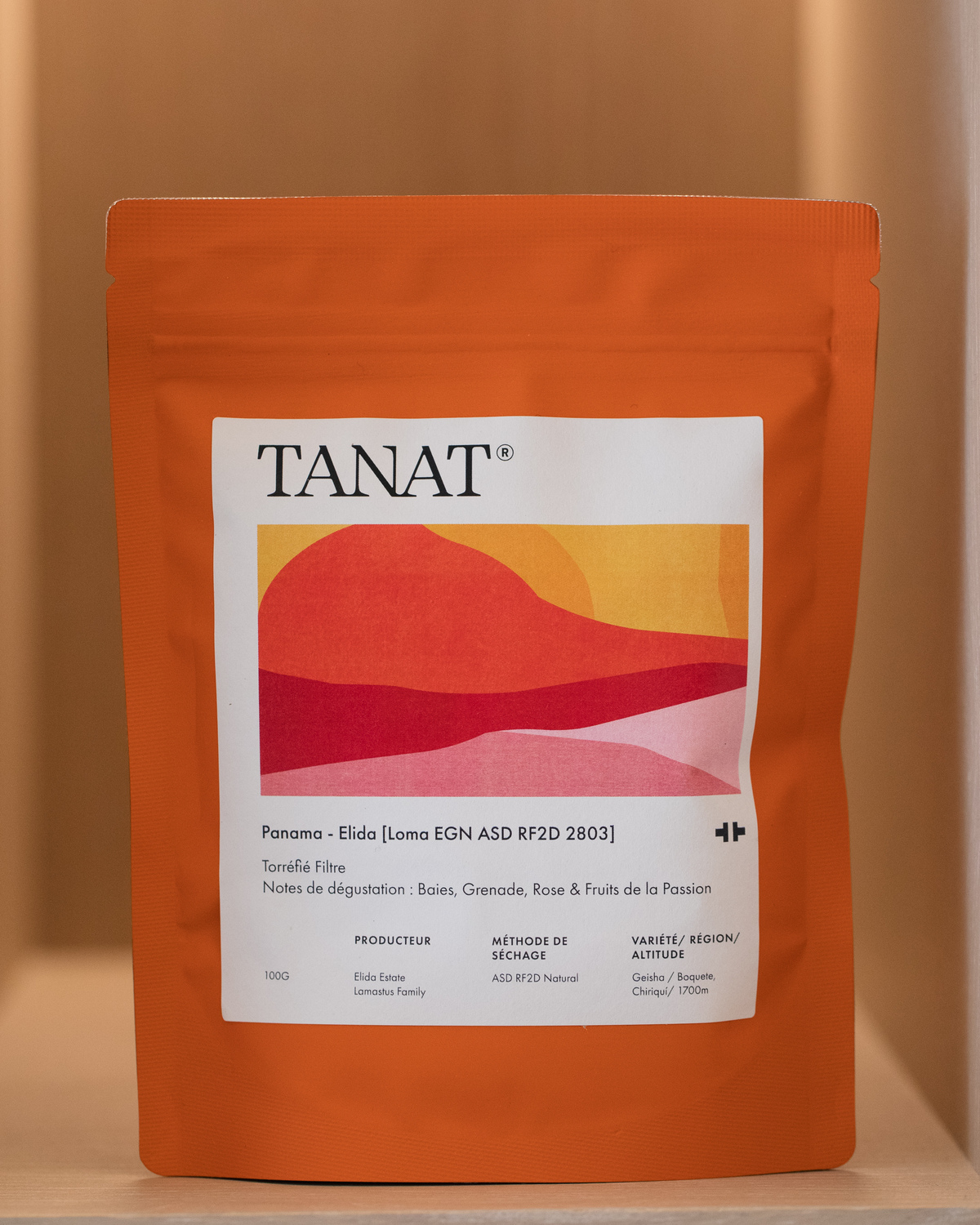 DROP 005 · Tanat · ParisElida Loma EGN · ASD RF2D 日曬藝妓Elida - Loma EGN ASD RF2D 2803莓果 / 石榴 / 玫瑰 / 百香果Berries / Pomegranate / Rose / Passion fruitNT$1,980 / 100g僅剩 1 包 / Only 1 left
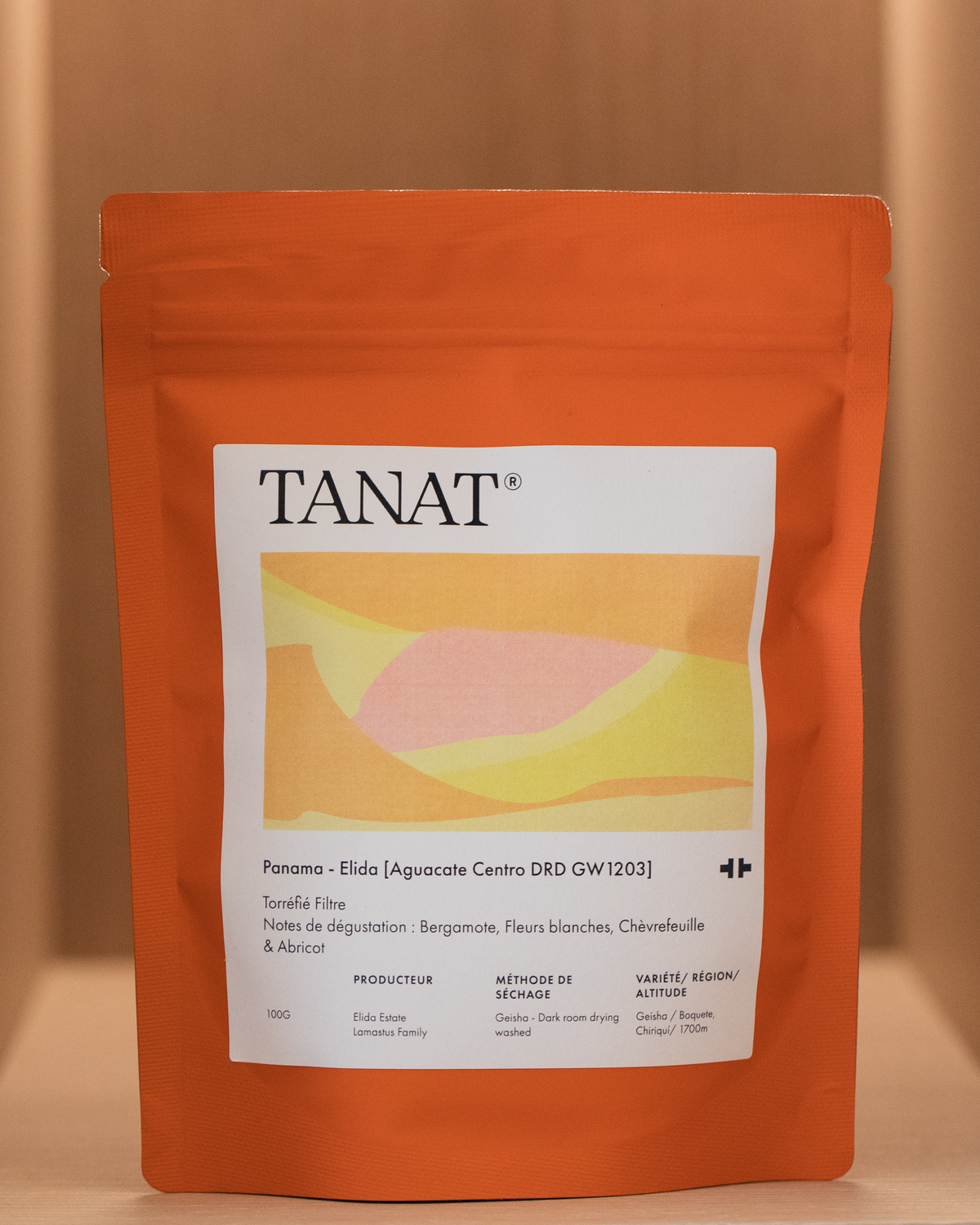 DROP 005 · Tanat · ParisElida Aguacate Centro · DRD 水洗藝妓Elida - Aguacate Centro DRD GW1203佛手柑 / 白色花香 / 金銀花 / 杏桃Bergamot / White flowers / Honeysuckle / ApricotNT$2,280 / 100g僅剩 2 包 / Only 2 left
什麼是極淺焙?
極淺焙是一種以風味透明度為核心的烘焙取向。比一般淺焙更輕,目的是盡可能保留產地特色與品種表現——花香、明亮果酸、茶感——而非追求烘焙帶來的甜感或醇厚度。好的極淺焙風味乾淨、層次清晰;不好的極淺焙則容易出現青草味、生澀感,這通常是烘焙精準度不足,而非風格本身的問題。
好的極淺焙需要什麼
極淺焙對每一個環節的要求都更高。生豆品質、瑕疵篩選、烘焙曲線的控制——任何一環不到位,缺陷就會直接反映在杯中。這也是為什麼真正乾淨的極淺焙並不常見:它不只是把烘焙度調低而已。
台灣也有烘焙師採用「北歐焙」或「極淺焙」的標籤,各家風格與發展程度不同,也各有特色。Lightmist 精選的是海外獨立微型烘焙商的作品——這些烘焙師從生豆篩選到烘焙曲線的每一步,都圍繞著風味的透明度在做。
Lightmist 的選豆方向
我們選的烘焙師,不一定是名氣最大的,而是對這種風格理解最深的。從生豆挑選、瑕疵分選到烘焙曲線,每一步都服務於風味的透明度。這些咖啡以原裝密封包裝進口,數量非常有限。
從巴黎的 Datura 到比利時的 The Picky Chemist,每位烘豆師對淺焙都有不同的理解。可在烘豆師與合作夥伴目錄查看品牌介紹和 Lightmist 歷次發售。
Ultra-light roast prioritizes transparency. Lighter than conventional light roasts, the goal is to preserve origin character and varietal expression — florals, bright acidity, tea-like qualities — rather than roast-driven sweetness or body. When done well, the cup is remarkably clean and complex. When done poorly, it can taste grassy or astringent — but that's a precision problem, not a style problem.
What good ultra-light requires
Ultra-light demands more at every stage. Green quality, defect sorting, profile control — any weakness shows up directly in the cup. That's why truly clean ultra-light is uncommon. It's not just about roasting lighter.
Some roasters in Taiwan use "Nordic" or "ultra-light" labels, each with their own interpretation and style. What Lightmist curates comes from independent micro-roasters overseas whose entire process — from green selection through profiling — is built around transparency.
What we look for
The roasters we work with aren't necessarily the most well-known. They're the ones whose entire process — from green selection and defect sorting through roast profiling — serves transparency. Everything is imported sealed, in very limited quantities.
From Datura in Paris to The Picky Chemist in Belgium, each roaster has a distinct interpretation of light roasting. Browse the roaster and partner index for profiles and previous Lightmist releases.
Shop current coffee → Roaster index → Latest drops → About us →
| 極淺焙 Ultra-light | 淺焙 Light | 中焙 Medium | |
|---|---|---|---|
| 風味重心 Flavor focus | 產地、品種 Origin, varietal | 產地 + 烘焙平衡 Origin + roast balance | 烘焙主導 Roast-driven |
| 酸質 Acidity | 明亮、有結構 Bright, structured | 溫和、圓潤 Soft, rounded | 低 Low |
| 口感 Body | 輕盈、茶感 Light, tea-like | 中等 Medium | 厚實 Full |
| 沖煮敏感度 Brew sensitivity | 高(水質、研磨、溫度) High | 中 Moderate | 寬容 Forgiving |
| 做不好時 When done poorly | 青草味、生澀、空洞 Grassy, astringent, hollow | 偏酸、單薄 Sour, thin | 苦、焦 Bitter, scorched |
常見問題 FAQ
為什麼有些極淺焙喝起來有青草味? / Why does some ultra-light roast taste grassy?
通常是烘焙發展不足的結果。極淺焙需要非常精確的烘焙控制——稍有偏差就會出現青草味或生澀感。這是執行問題,不是風格的問題。好的極淺焙應該是乾淨、清晰、有層次的。
Usually underdevelopment during roasting. Ultra-light requires very precise roast control — small deviations lead to grassy or astringent flavors. That's an execution problem, not a style problem. Good ultra-light should be clean, clear, and complex.
極淺焙會不會很酸? / Is ultra-light roast sour?
好的極淺焙有明亮的酸質,但不是尖銳或不舒服的酸。如果你喝過令人不愉快的極淺焙,問題通常出在烘焙精準度或沖煮條件。水質和研磨度對極淺焙的影響特別大——水中少量的緩衝成分(buffer)有助於柔化酸質。→ 參考我們的沖煮指南和水質指南。
Good ultra-light has bright, structured acidity — not harsh sourness. If you've had an unpleasant ultra-light experience, the issue is usually roast precision or brewing conditions. Water quality and grind size have an outsized impact at this roast level — a small amount of buffer in the water composition helps soften acidity. → See our brew guide and water guide.
極淺焙跟淺焙有什麼不同? / What's the difference between ultra-light and light roast?
程度更輕,風味重心從「烘焙與產地的平衡」轉向「幾乎完全由產地主導」。口感更輕盈,常帶有茶感,對沖煮條件的要求也更高。
Ultra-light is taken less far in the roast. The flavor shifts from a balance of roast and origin to almost entirely origin-driven. The body is lighter, often tea-like, and brewing precision matters more.
台灣哪裡買得到極淺焙咖啡? / Where can I find ultra-light roast coffee in Taiwan?
Lightmist Coffee 微嵐咖啡位於台北,提供海外獨立烘豆師原裝密封的淺焙與極淺焙咖啡。網站上的咖啡現貨頁會即時列出目前可購買的品項與台幣價格,可透過 Instagram 或 LINE 訂購,全台以 7-Eleven 交貨便寄送。
Lightmist Coffee is a Taipei-based curator selling original sealed bags from independent international light- and ultra-light-roast coffee roasters. The current coffee page lists live availability and TWD prices. Order through Instagram or LINE for island-wide 7-Eleven delivery in Taiwan.
極淺焙怎麼沖比較好? / How should I brew ultra-light roast?
水質是最大的變數。建議從 TDS 約 50–80 ppm 的低礦化水開始,研磨偏粗,水溫 90–92°C。TDS、總硬度與鹼度是不同指標;一般自來水或高礦化度瓶裝水可能壓過細緻風味,但純 RO 水也容易缺乏結構。→ 詳見沖煮指南和咖啡用水指南。
Water quality is the biggest variable. Start with low-mineral water around 50–80 ppm TDS, a coarser grind, and 90–92°C water. TDS, general hardness, and alkalinity are different parameters; tap or high-mineral bottled water can mask delicate flavors, while straight RO water often lacks structure. → See our brew guide and coffee water guide.
內容與庫存更新於 · Content and inventory updated